
25 Apr
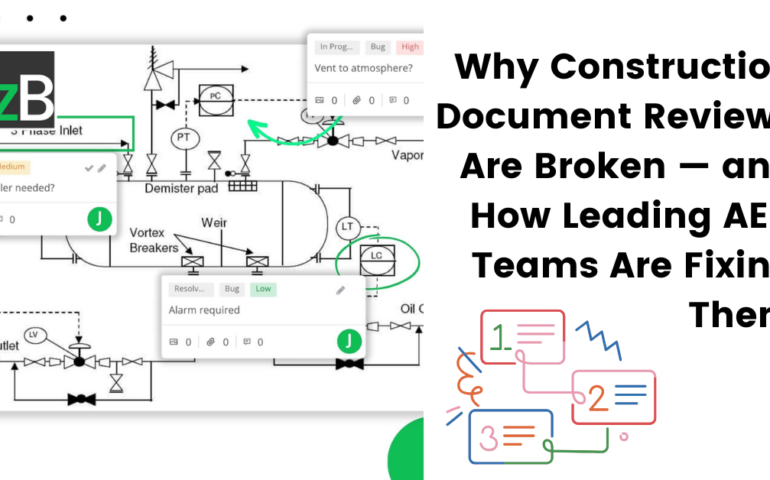
Why Construction Document Reviews Are Broken — and How Leading AEC Teams Are Fixing Them
Delayed approvals. Scattered markups. Endless email chains. In construction, deadlines are tight and margins are tighter, so even small inefficiencies in document workflows can snowball into costly delays. Yet across the AEC industry, most teams are still relying on fragmented processes to review drawings, submittals, and RFIs — bouncing PDFs over email, managing feedback in
15 Apr
Introducing Custom Project Templates in zipBoard: Save Time on Project Setup and Streamline Collaborative Reviews
Imagine kicking off a new project and spending hours just setting up workflows instead of actually working. Whether you’re managing construction documents, web design feedback, or content approvals, the initial setup can be a frustrating bottleneck. Teams often spend valuable hours configuring project structures, defining review processes, and organizing tasks before they can even start
12 Apr

The Relationship Between Architectural and Structural Engineering Design
Construction and design often appear drastically disparate on the surface, almost at the polar opposite of one another. However, their intersection is closer and more sensical when you consider the disciplines that sit at the heart of every successful building project – architectural and structural engineering design. While these might seem like distinct professions and
25 Mar

Procore Document Reviews Made Easy: Procore-zipBoard Integration for PDF Markups & Collaboration
One of the biggest challenges in the AEC industry is the fragmentation of project information across multiple tools. Construction professionals constantly juggle project data, documents, and communication across platforms, leading to inefficiencies, outdated information, and costly errors. At zipBoard, we understand that Procore is the go-to platform for construction project management, but document reviews can
28 Feb
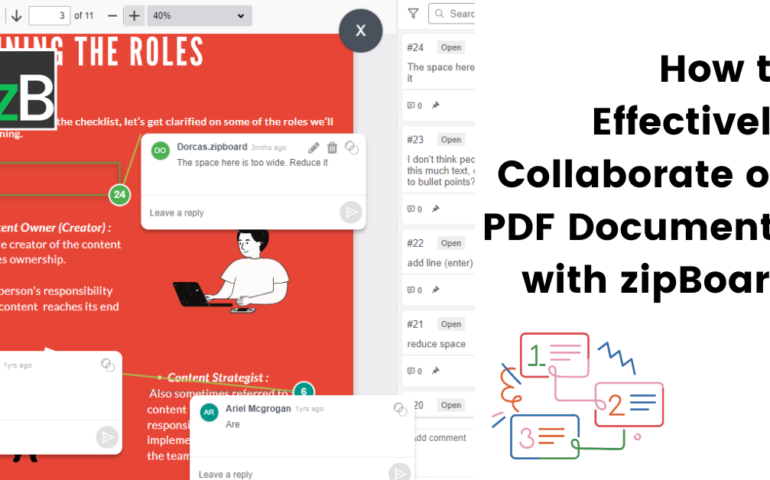
How to Effectively Collaborate on PDF Documents with zipBoard
Over 2.5 trillion PDFs are created annually, making them one of the most widely used file formats in professional settings. PDFs remain the industry standard due to their format preservation, security, and universal compatibility. This makes them the preferred choice for sharing important documents with multiple stakeholders. Owing to this, seamless PDF collaboration is essential
24 Feb
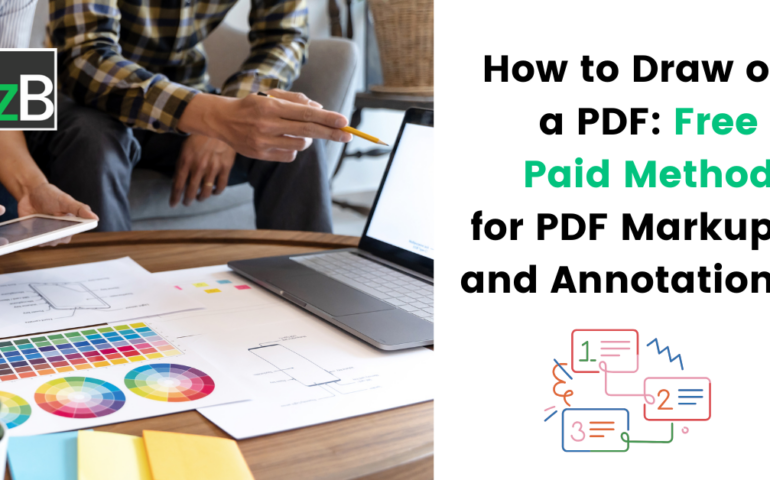
How to Draw on a PDF: Free & Paid Methods for PDF Markups and Annotations
Whether for reviewing contracts, marking up blueprints, providing creative feedback, or simply making notes on reports, drawing on a PDF is essential for professionals across industries. Traditionally, this process involved printing documents, marking them up by hand, and scanning them back—an inefficient and time-consuming workflow. While tools like Adobe Acrobat offer markup features, many users
17 Feb
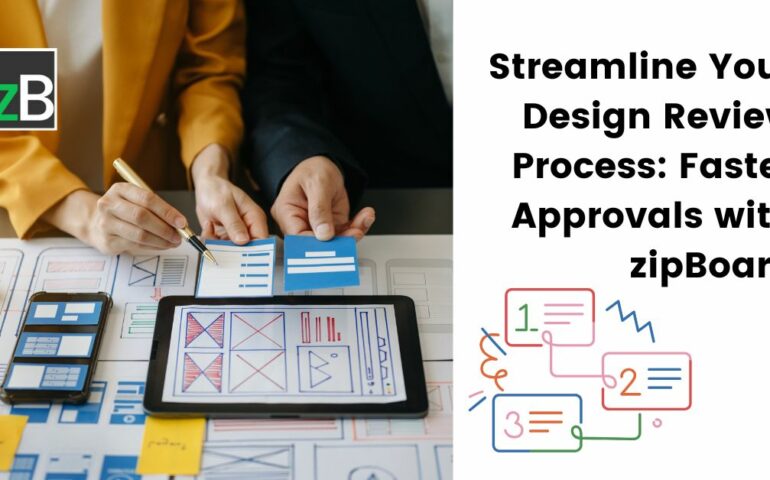
Design Review Process: 7 Steps, Types & Common Challenges
Design reviews play a crucial role in ensuring the quality, efficiency, and success of any creative or product development process. Whether you’re working on eLearning courses, website designs, marketing assets, or other digital content like architectural or engineering drawings, an effective design review process helps teams align on objectives, spot inconsistencies, and implement feedback efficiently. However,
27 Jan
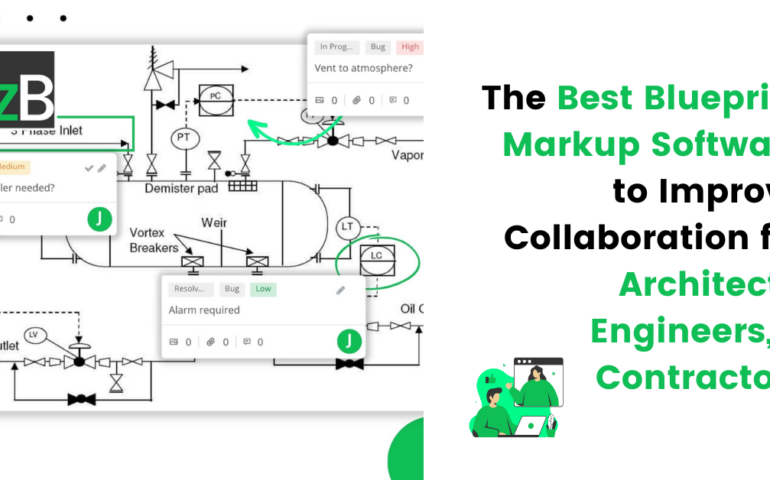
Blueprint Markup Software: How to Choose, and 6 Tools Compared for Construction Teams
The short answer: blueprint markup software lets you put clouds, callouts, measurements and stamps on PDF drawings, then track every comment until it’s resolved. For takeoff, estimating and offline work on a tablet, Bluebeam Revu is the deepest tool. If your field crews live in a jobsite app, Procore, Fieldwire or Autodesk Forma give you
17 Jan
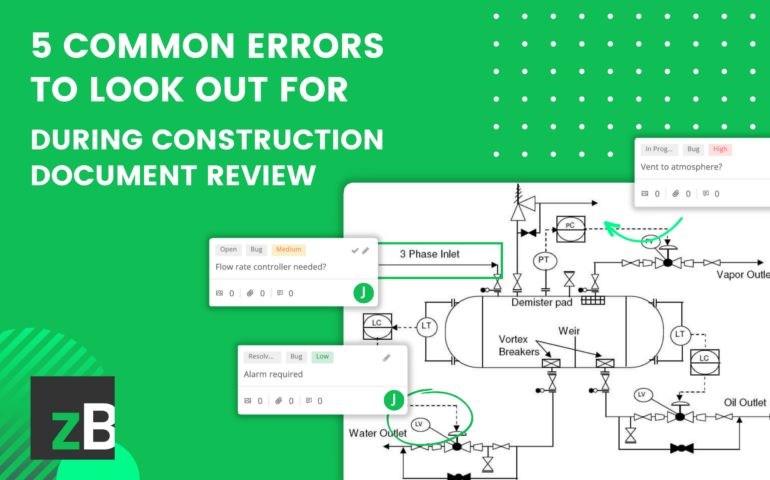
How to Reduce Construction Document Errors: Best Practices & Tools for Success
Construction document errors can lead to project delays, costly rework, budget overruns, and safety risks. Due to the complex nature of construction projects, even small mistakes in construction documents like design plans, specifications, or submittals can create a domino effect that disrupts workflows, causes miscommunication, and leads to significant financial and operational setbacks. These errors
14 Dec
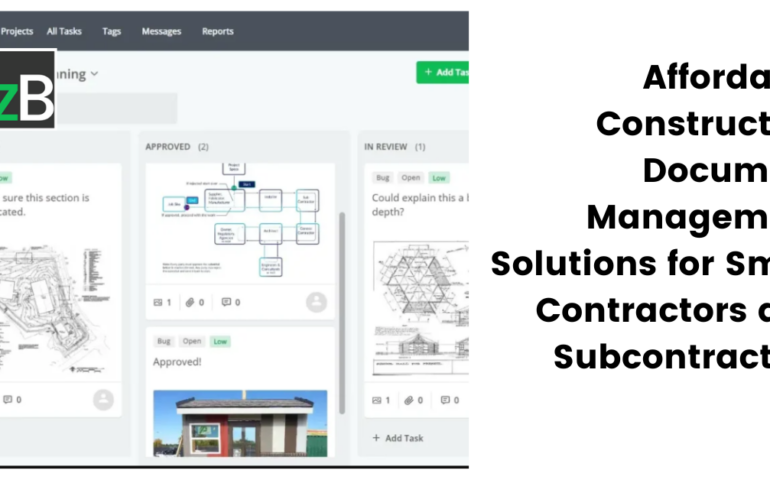
Affordable Construction Document Management Solutions for Small Contractors and Subcontractors: How zipBoard Simplifies Construction Processes
As a small contractor or subcontractor, your goal is to minimize costs while ensuring efficient operations and meeting client needs. Therefore, it is crucial to invest in tools that help achieve this, and construction management software, especially construction document management software, is a game-changer. Why Small Contractors Need Construction Document Management Software Managing documents efficiently