
29 Nov
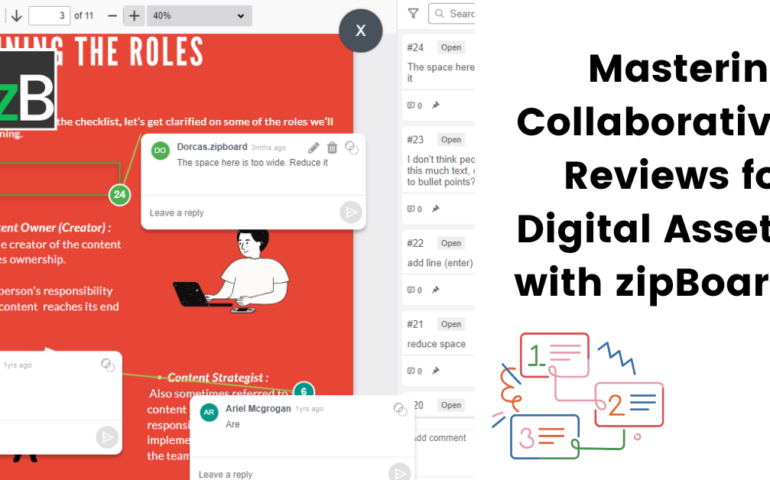
Master Collaborative Reviews for Digital Assets: Streamline Workflows with zipBoard
Collaborating on digital assets is essential in industries where teamwork and stakeholder input are crucial. Whether you work in AEC (Architecture, Engineering, and Construction), eLearning, creative design, or IT, managing reviews effectively can make or break a project. Why Collaborative Reviews Matter for Digital Asset Teams Collaborative reviews enable stakeholders to share and incorporate feedback
17 Sep
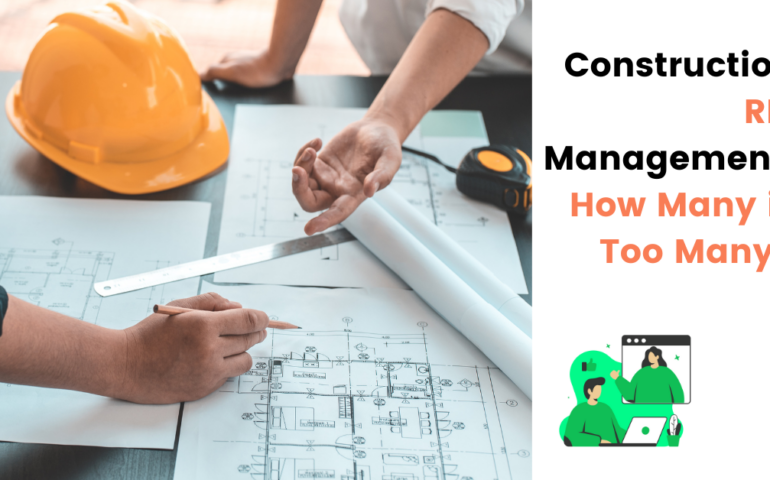
Construction RFI Management: How Many is Too Many?
Request for Information (RFI) documents are indispensable in construction project management. However, the question remains: how many RFIs are too many? This question has been raised by structural engineers and other AEC professionals, highlighting the delicate balance between necessary communication and potential project delays. In this article, we explore the importance of construction RFI management,
10 Sep
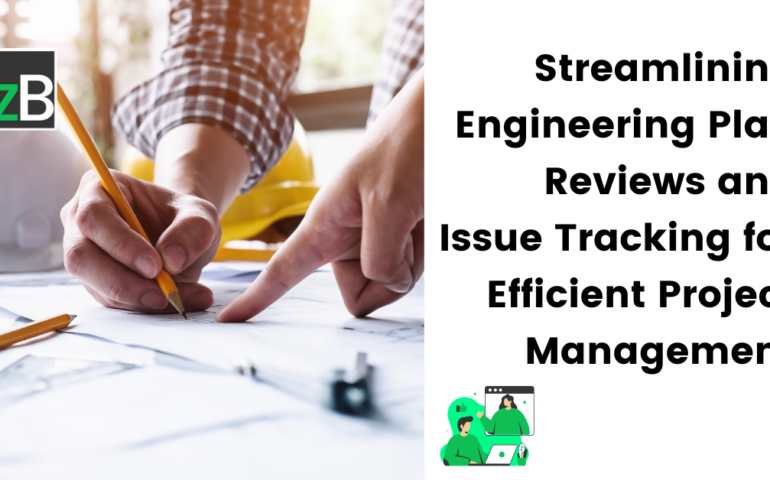
Streamlining Engineering Plan Reviews and Issue Tracking for Efficient Project Management
In engineering plan reviews, particularly for heavy civil projects and municipal infrastructure, effective management of internal and external reviews is key to delivering high-quality and constructible designs. As projects grow in scale and complexity, the burden of meetings, quality assurance (QA) protocols, documentation, and audits can become overwhelming, making it difficult to focus on the
16 Aug
Streamline PDF Reviews with zipBoard’s Improved PDF Markup Tool
Reviewing complex designs and construction drawings is crucial to ensure errors are resolved in time to avoid costly rework and project delays. AEC teams cannot rely on limited PDF markup tools to cater to the complexities of the construction documents they deal with, hence the need for robust document markup tools, allowing for a seamless
18 Jul
Document Versioning: What It Is, Benefits, Best Practices, and Tools
During reviews and approvals, the struggle with multiple document versions is all too real. Stakeholders provide feedback, edits are made, and suddenly you’re juggling a confusing mess of “Report_Final_v3” and “Design_Prototype_v2.” This chaos can derail project timelines and lead to frustration across your team. The good news? Document versioning helps you deal with this. Document
28 Jun
Streamline Your AEC Workflows with zipBoard Integrations and APIs
The construction industry thrives on seamless collaboration and information flow. Yet, fragmented workflows and disconnected data plague AEC projects, leading to inefficiencies, errors, and missed deadlines. Several studies reveal a concerning trend in the construction industry. For instance, PlanGrid’s Construction Disconnected report indicates that 52% of construction projects experience rework due to miscommunication and information
31 May
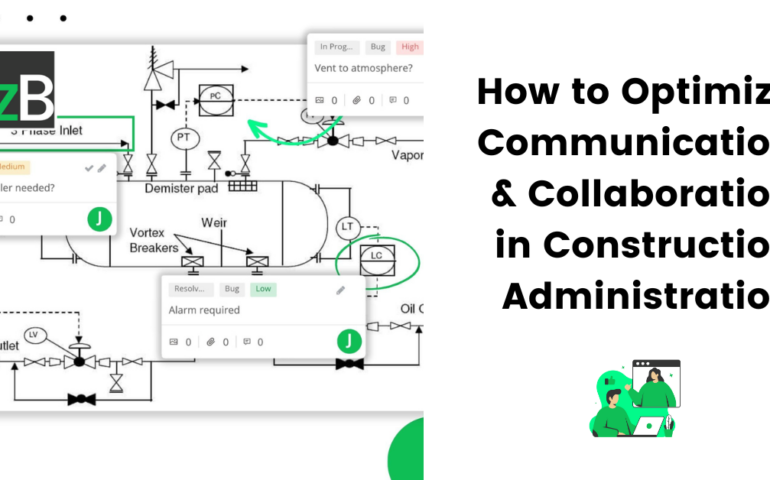
How to Optimize Communication and Collaboration in Construction Administration
Research by Construction Navigant and PlanGrid show that, 9% of a project’s combined cost stems from rework, with 52% of that rework being attributed to miscommunication and poor project data. Additionally, nearly 35% of project time is lost due to ineffective activities, resulting in $280 billion in annual rework expenses. For these reasons, streamlining communication
17 May
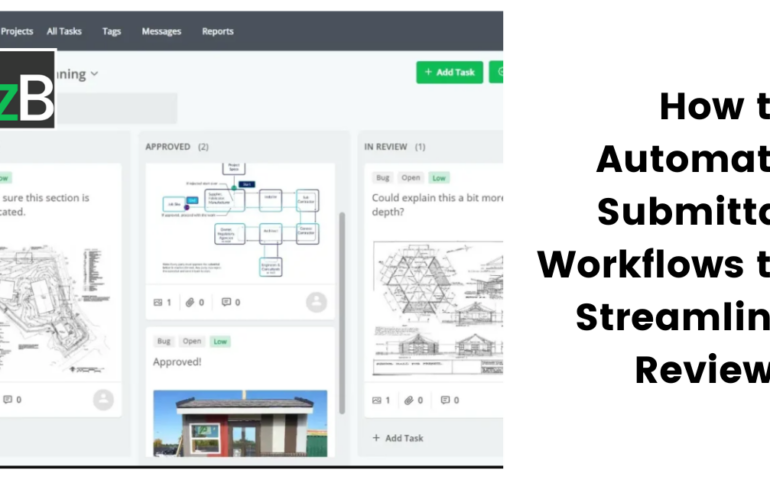
How to Automate Submittal Workflows to Streamline Reviews
Among the seven (7) stages in the architecture design process, the construction drawing phase takes the most time. Hence, it’s important to automate processes and ensure a smoother, error-free, and faster project delivery. This guide will show you how to automate your submittal workflow and streamline reviews and submittal management. Submittal Workflow Diagram Why Automate
29 Apr

Risk Management in Architecture: How to Mitigate Risks and Protect Your Firm
Architecture projects are prone to risks of different types and severities. These risks can come in the form of threats and opportunities. While you cannot eliminate risks, you can manage and mitigate them. That is where risk management in architecture comes in. In this article, we discuss the basics of risk management for architects in
12 Apr

Tagging & Filtering: 2 Sure Ways to Enhance Construction Document Control (Quick Guide for Architects)
Finding and managing files and information can be daunting when working on architecture projects – especially dealing with a growing volume of files and stakeholder feedback. Whether it’s navigating complex projects, pinpointing specific issues, or staying organized across multiple tasks and files, efficient categorization and retrieval systems are crucial for effective construction document control. That’s why