
15 Apr
Introducing Custom Project Templates in zipBoard: Save Time on Project Setup and Streamline Collaborative Reviews
Imagine kicking off a new project and spending hours just setting up workflows instead of actually working. Whether you’re managing construction documents, web design feedback, or content approvals, the initial setup can be a frustrating bottleneck. Teams often spend valuable hours configuring project structures, defining review processes, and organizing tasks before they can even start
24 Feb

How to Draw on a PDF: Free & Paid Methods for PDF Markups and Annotations
Whether for reviewing contracts, marking up blueprints, providing creative feedback, or simply making notes on reports, drawing on a PDF is essential for professionals across industries. Traditionally, this process involved printing documents, marking them up by hand, and scanning them back—an inefficient and time-consuming workflow. While tools like Adobe Acrobat offer markup features, many users
27 Jan
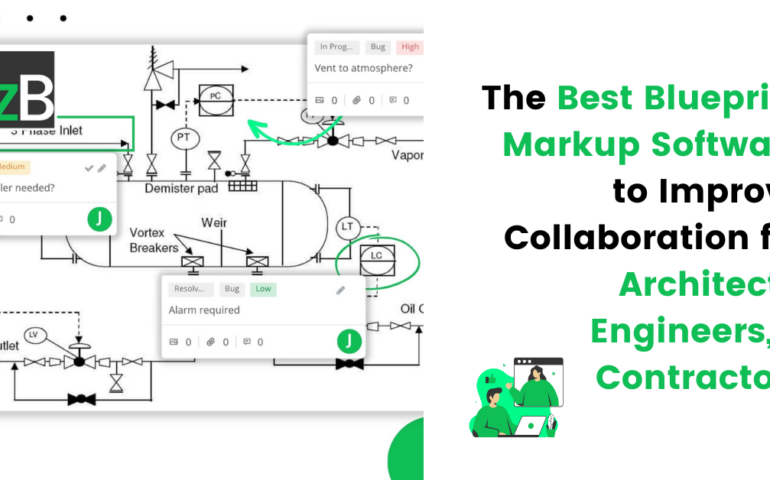
Blueprint Markup Software: How to Choose, and 6 Tools Compared for Construction Teams
The short answer: blueprint markup software lets you put clouds, callouts, measurements and stamps on PDF drawings, then track every comment until it’s resolved. For takeoff, estimating and offline work on a tablet, Bluebeam Revu is the deepest tool. If your field crews live in a jobsite app, Procore, Fieldwire or Autodesk Forma give you
17 Jan
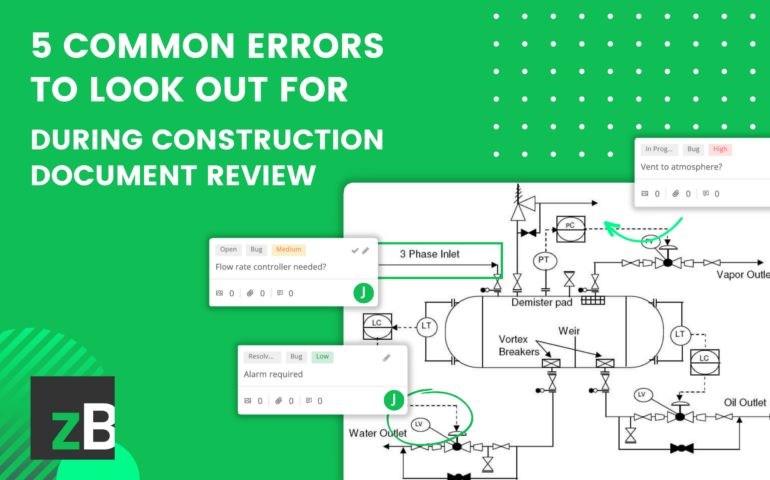
How to Reduce Construction Document Errors: Best Practices & Tools for Success
Construction document errors can lead to project delays, costly rework, budget overruns, and safety risks. Due to the complex nature of construction projects, even small mistakes in construction documents like design plans, specifications, or submittals can create a domino effect that disrupts workflows, causes miscommunication, and leads to significant financial and operational setbacks. These errors
14 Dec
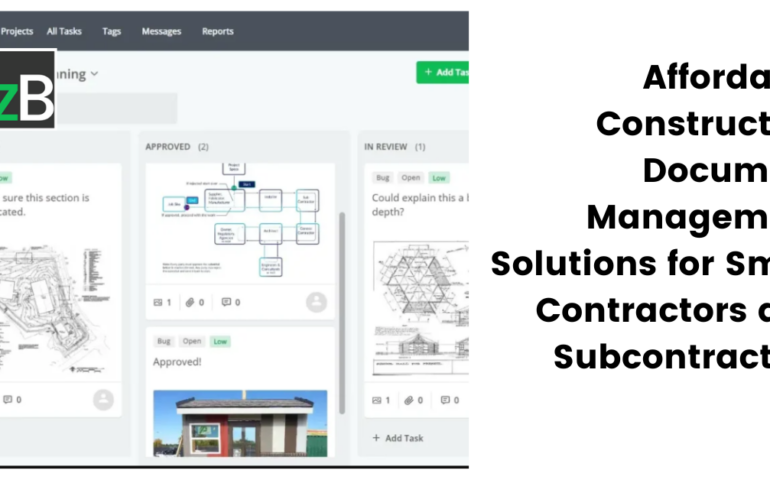
Affordable Construction Document Management Solutions for Small Contractors and Subcontractors: How zipBoard Simplifies Construction Processes
As a small contractor or subcontractor, your goal is to minimize costs while ensuring efficient operations and meeting client needs. Therefore, it is crucial to invest in tools that help achieve this, and construction management software, especially construction document management software, is a game-changer. Why Small Contractors Need Construction Document Management Software Managing documents efficiently
17 Sep
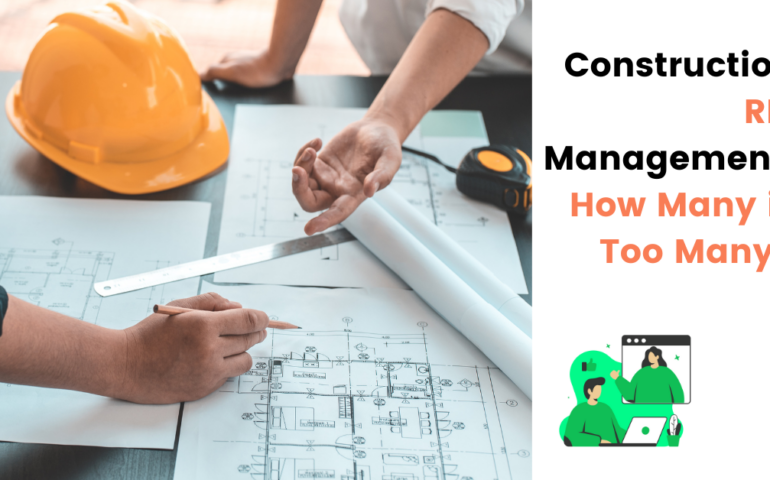
Construction RFI Management: How Many is Too Many?
Request for Information (RFI) documents are indispensable in construction project management. However, the question remains: how many RFIs are too many? This question has been raised by structural engineers and other AEC professionals, highlighting the delicate balance between necessary communication and potential project delays. In this article, we explore the importance of construction RFI management,
31 May
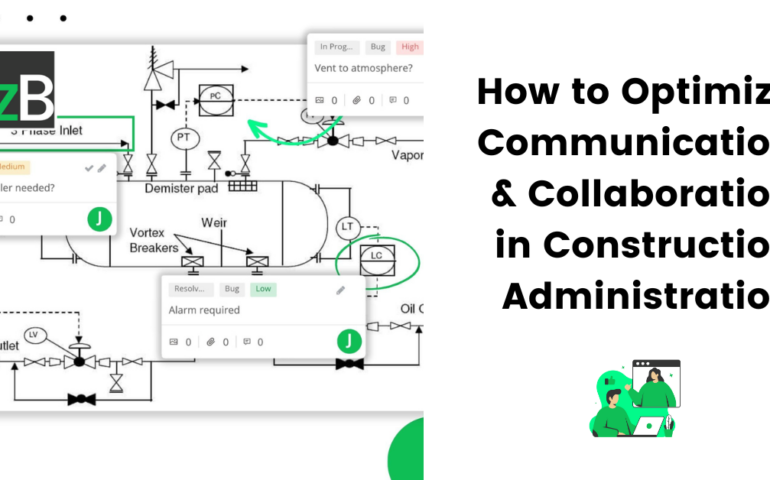
How to Optimize Communication and Collaboration in Construction Administration
Research by Construction Navigant and PlanGrid show that, 9% of a project’s combined cost stems from rework, with 52% of that rework being attributed to miscommunication and poor project data. Additionally, nearly 35% of project time is lost due to ineffective activities, resulting in $280 billion in annual rework expenses. For these reasons, streamlining communication
17 May
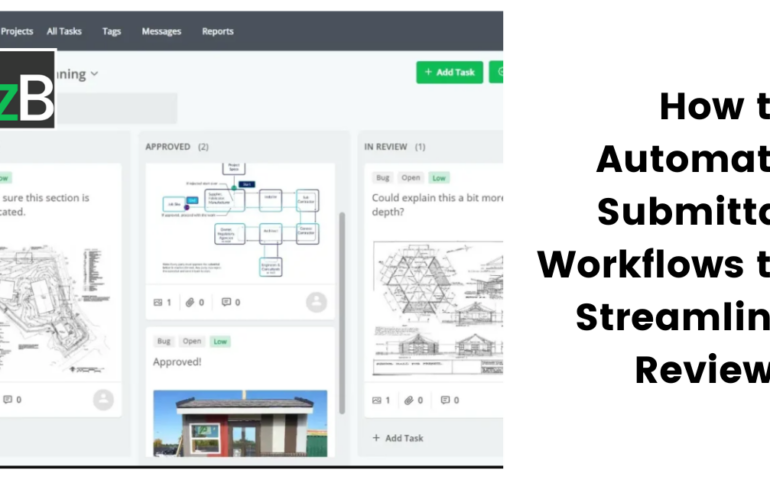
How to Automate Submittal Workflows to Streamline Reviews
Among the seven (7) stages in the architecture design process, the construction drawing phase takes the most time. Hence, it’s important to automate processes and ensure a smoother, error-free, and faster project delivery. This guide will show you how to automate your submittal workflow and streamline reviews and submittal management. Submittal Workflow Diagram Why Automate
05 Oct

How to Set Up a Shop Drawing Review Process: A Comprehensive Guide (with Free Template)
Manual processes, poor communication, and delays in the shop drawing review process can cost you—both time and money. You know it. What are Shop Drawings? Shop drawings are detailed construction documents created by subcontractors and suppliers to illustrate the fabrication, assembly, and installation of building components. They bridge the gap between design and construction, ensuring
28 Sep

Make Submittal Approval a Breeze With zipBoard’s PDF Markup and Collaboration Tools
Chasing that submittal approval after a lengthy submittal review process can often be tiring and costly. Here's how you can deal with it better!