
25 Apr
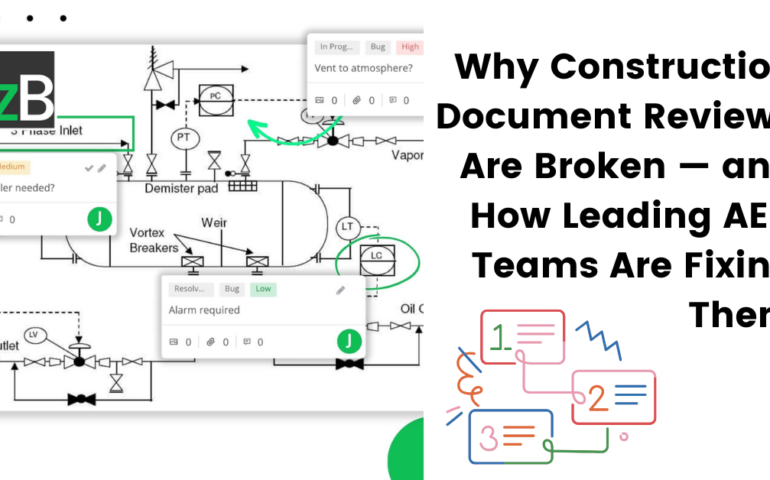
Why Construction Document Reviews Are Broken — and How Leading AEC Teams Are Fixing Them
Delayed approvals. Scattered markups. Endless email chains. In construction, deadlines are tight and margins are tighter, so even small inefficiencies in document workflows can snowball into costly delays. Yet across the AEC industry, most teams are still relying on fragmented processes to review drawings, submittals, and RFIs — bouncing PDFs over email, managing feedback in
18 Apr

Website Feedback Done Right: How to Involve Stakeholders at Every Stage of Web Design & Development
Website Feedback Shouldn’t Be an Afterthought Are you only collecting website feedback once the site goes live? If so, you’re not alone—but you’re also missing out. Many teams wait until the final stages of development—or worse, until after launch—to ask for feedback. This often leads to last-minute changes, expensive rework, and frustrated clients or users.
12 Apr
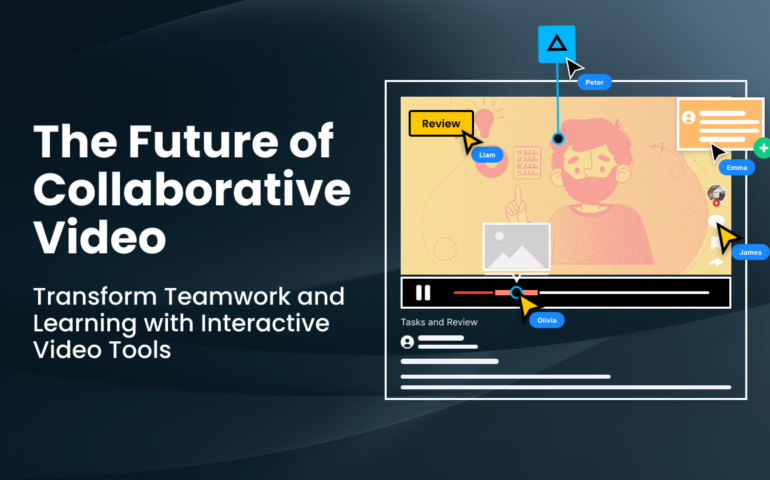
The Future of Collaborative Video Experiences
So… when did video stop being a one-way street? Remember when videos were just watch, rewind, repeat? Those days are long gone. The digital workspace has transformed video from a passive medium into an engaging, collaborative powerhouse that’s reshaping how teams communicate, learn, and create together. From One-Way to Collaborative Modern collaborative video tools have
04 Apr

Streamline Your Content & Document Management Lifecycle with zipBoard
Managing the document lifecycle efficiently is a challenge for many teams. According to a 2024 AIIM report, organizations estimate that 67% of their unstructured data resides in cloud storage—yet only 4% report any reduction in management costs. As AI and automation initiatives accelerate, unstructured content continues to pose significant challenges, particularly around security, compliance, and
28 Mar
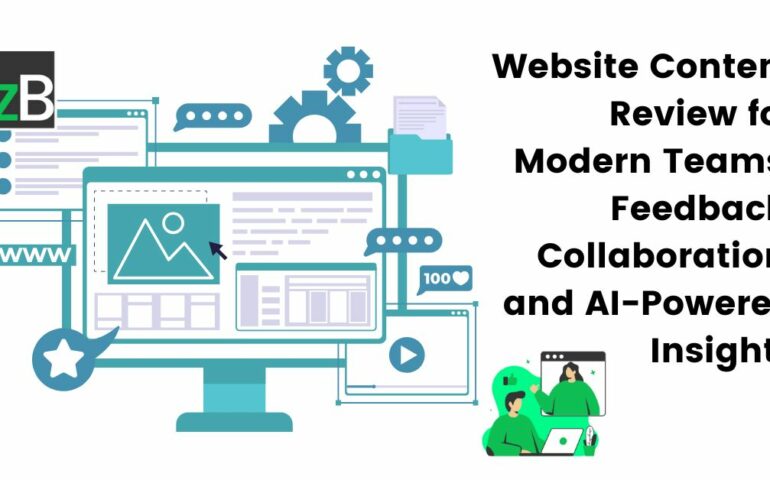
Website Content Review for Modern Teams: Feedback, Collaboration, and AI-Powered Insights
A couple of years ago, I was asked to review and test a website, and the process felt long and exhausting. Why? Because I had to take screenshots of every issue, switch to our communication channel, and manually describe my feedback. Often, I’d forget the exact context behind a screenshot or miss sharing some altogether—there
25 Mar

Procore Document Reviews Made Easy: Procore-zipBoard Integration for PDF Markups & Collaboration
One of the biggest challenges in the AEC industry is the fragmentation of project information across multiple tools. Construction professionals constantly juggle project data, documents, and communication across platforms, leading to inefficiencies, outdated information, and costly errors. At zipBoard, we understand that Procore is the go-to platform for construction project management, but document reviews can
24 Mar

Best Practices for Managing Content Reviews and Tracking Issues Efficiently in eLearning Projects
Why Content Review & Issue Tracking Matter eLearning content development is a collaborative process involving multiple stakeholders, including project managers, instructional designers, developers, subject matter experts (SMEs), and reviewers. However, without a structured content review and issue tracking process, teams often struggle with fragmented feedback, version control issues, and inefficient tracking of project files and
28 Feb
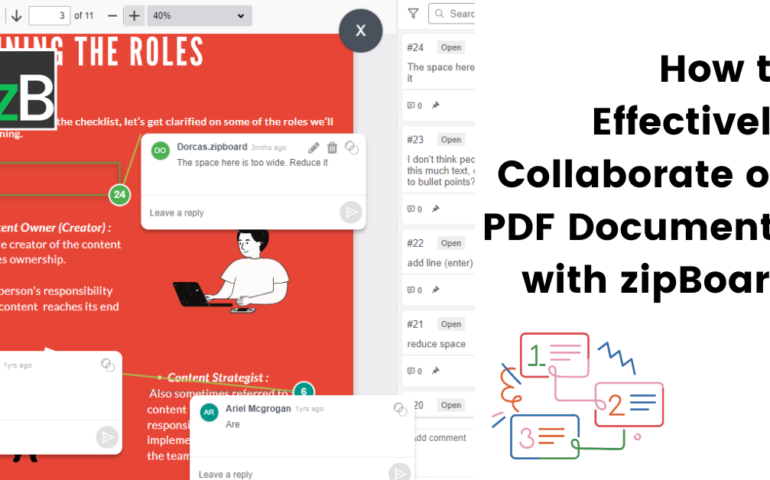
How to Effectively Collaborate on PDF Documents with zipBoard
Over 2.5 trillion PDFs are created annually, making them one of the most widely used file formats in professional settings. PDFs remain the industry standard due to their format preservation, security, and universal compatibility. This makes them the preferred choice for sharing important documents with multiple stakeholders. Owing to this, seamless PDF collaboration is essential
24 Feb
How to Draw on a PDF: Free & Paid Methods for PDF Markups and Annotations
Whether for reviewing contracts, marking up blueprints, providing creative feedback, or simply making notes on reports, drawing on a PDF is essential for professionals across industries. Traditionally, this process involved printing documents, marking them up by hand, and scanning them back—an inefficient and time-consuming workflow. While tools like Adobe Acrobat offer markup features, many users
10 Feb
Best Design Review Software: A Comprehensive Guide to Streamlining Design Reviews with zipBoard
Effective design review ensures high-quality outputs, whether in web design, product development, eLearning, or construction. However, traditional review processes—filled with endless email threads, scattered feedback, and version control issues—can slow your team down. Modernizing design reviews with the right design review software streamlines collaboration, centralizes feedback, and eliminates inefficiencies. Instead of chasing approvals or deciphering