
23 Jul

Procore Alternative for Small and Mid-Size GCs: What You Actually Lose (and Don’t) by Switching
Small to mid-sized general contractors (GCs) seek a Procore alternative for mid-size contractors and smaller GCs to eliminate unpredictable volume-based pricing and reduce software overhead for external subcontractors. By switching, teams retain essential day-to-day capabilities, including submittal tracking, drawing set revisions, PDF markups, and RFI coordination. Purpose-built platforms like zipBoard streamline AEC document reviews with
15 Jul
How TMS Brazil Transformed Digital Content Review with zipBoard | Case Study
By transforming its digital content review, the leading Brazilian e-learning company is streamlining its review process, improving efficiency, and enhance its productivity rapidly. At a Glance 100% Browser-Based: Zero client sign-ups, installation friction, or local software dependencies required for secure file access. Pixel-Accurate Precision: Eliminates manual screenshot capturing, local cropping, and multi-step file saving entirely.
14 Jul
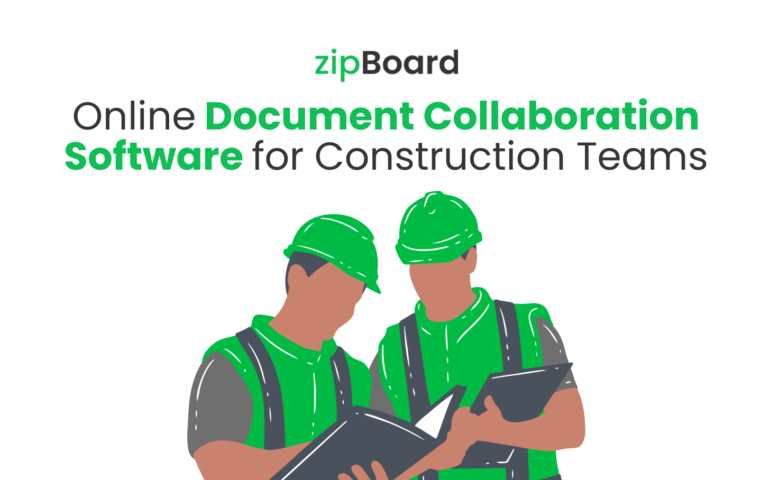
The Ultimate Guide to Online Document Collaboration Software for Construction
The Ultimate Guide to Online Document Collaboration Software for Construction How does online document collaboration software streamline construction governance across multi-stakeholder project pipelines? Advanced online document collaboration software like zipBoard acts as a centralized visual workspace and automated task engine that eliminates repetitive administrative overhead for construction operations leaders. By replacing scattered email chains and
06 Jul
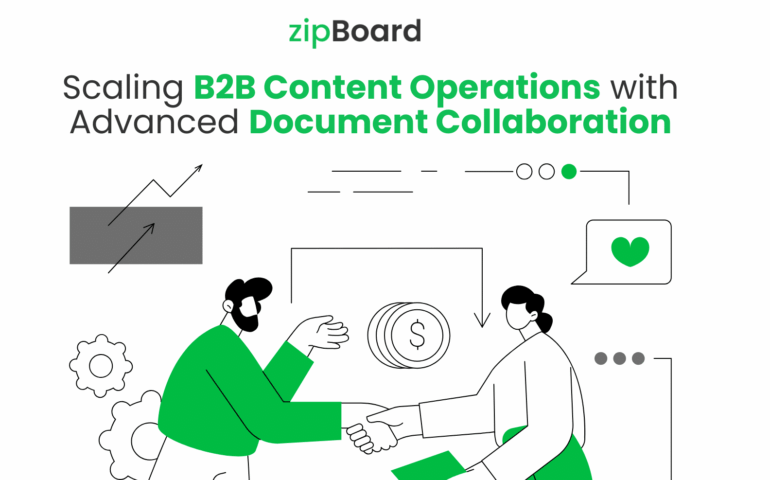
Document Collaboration for Efficient Workflow Management
Scaling B2B Content Operations with Document Collaboration Tool How does zipBoard scale B2B content operations? zipBoard scales B2B content production by centralizing reviews into a single visual markup canvas, turning unstructured feedback into actionable tasks, and allowing unlimited external collaborators (like clients or SMEs) to review and approve documents without requiring a software login. Scaling
23 Jun
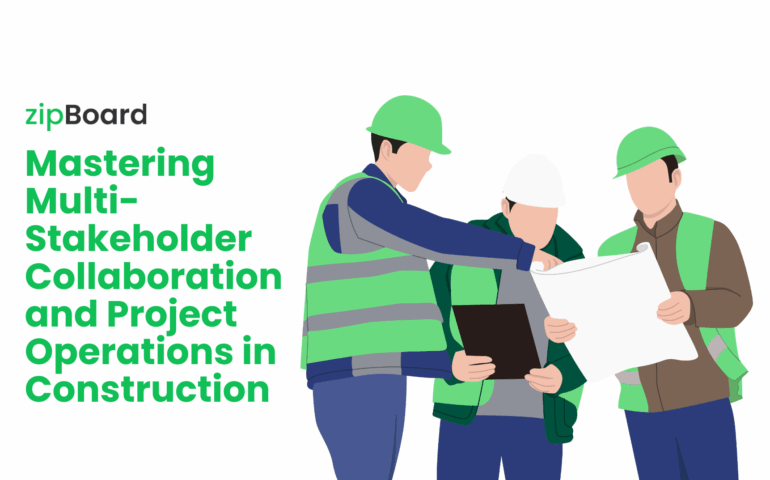
Mastering Multi-Stakeholder Collaboration and Project Operations in Construction
How to streamline multi-stakeholder project operations in construction teams? Advanced construction document markup software like zipBoard acts as a centralized construction project collaboration platform that unifies architects, structural engineers, and field crews on a single canvas. By replacing offline redlines with real-time, cloud-based Issue Tracking and automated workflows, it allows teams to streamline construction document
15 Jun

Document Approval Workflow: A Complete Guide
A document approval workflow is the governed stage at the end of a review cycle where named approvers confirm a specific document version is ready for release. Most teams run this through email or comments, producing no audit trail. This guide covers the stages, roles, failure modes, and what separates checkbox approval from governed approval.
10 Apr
The Project Manager’s Guide to Drawing Approvals and Submittal Tracking
Direct Answer: Project managers track drawing approvals by: Recording the reviewer name and decision (Approve / Revise / Reject). Linking every approval to a specific drawing version (never to a generic filename). Maintaining a centralized log or platform (single source of truth). Capturing automatic timestamps for audit, dispute, and compliance purposes. According to a landmark
24 Mar
How Construction Teams Manage Drawing Reviews (Without the Chaos)
Direct Answer: The best way to manage drawing revisions is to use a centralized drawing review platform that provides version control, comment tracking, structured workflows, and a complete revision history. This ensures all stakeholders work on the latest drawings, reduces errors, and prevents costly rework. In the architecture, engineering, and construction (AEC) world, construction drawing review
16 Mar
Technical Writers Best Toolkit: Review & Documentation Calculator
The real challenge is managing reviews – collecting feedback from SMEs, developers, compliance teams, and product managers while maintaining version control and meeting release deadlines. In many organizations, documentation reviews happen across email, Slack, Google Docs, and PDFs, creating confusion about which feedback is final and who approved what. This guide explores: – The most
Best Practices for Efficient Document Reviews and Collaboration
Construction Administration (CA) consistently presents significant challenges for project stakeholders, such as operational inefficiencies, scheduling delays, and escalating costs. These challenges aren’t isolated incidents, as they stem from inherently complex project dynamics. The core issue resides in the fragmentation of responsibilities across numerous participants; owners, architects, general contractors, and various subcontractors. As noted by Ofori