
10 Apr
The Project Manager’s Guide to Drawing Approvals and Submittal Tracking
Direct Answer: Project managers track drawing approvals by: Recording the reviewer name and decision (Approve / Revise / Reject). Linking every approval to a specific drawing version (never to a generic filename). Maintaining a centralized log or platform (single source of truth). Capturing automatic timestamps for audit, dispute, and compliance purposes. According to a landmark
24 Mar
How Construction Teams Manage Drawing Reviews (Without the Chaos)
Direct Answer: The best way to manage drawing revisions is to use a centralized drawing review platform that provides version control, comment tracking, structured workflows, and a complete revision history. This ensures all stakeholders work on the latest drawings, reduces errors, and prevents costly rework. In the architecture, engineering, and construction (AEC) world, construction drawing review
15 Apr

Introducing Custom Project Templates in zipBoard: Save Time on Project Setup and Streamline Collaborative Reviews
Imagine kicking off a new project and spending hours just setting up workflows instead of actually working. Whether you’re managing construction documents, web design feedback, or content approvals, the initial setup can be a frustrating bottleneck. Teams often spend valuable hours configuring project structures, defining review processes, and organizing tasks before they can even start
27 Jan

The Best Blueprint Markup Software to Improve Collaboration for Architects, Engineers, & Contractors
Effective blueprint management is important for architects, engineers, and contractors to ensure seamless collaboration, minimize errors, and maintain accurate version control of construction drawings. However, traditional blueprint management methods often fall short, creating significant challenges for AEC teams. These challenges range from version control issues and fragmented communication to slow feedback cycles, leading to project
17 Jan
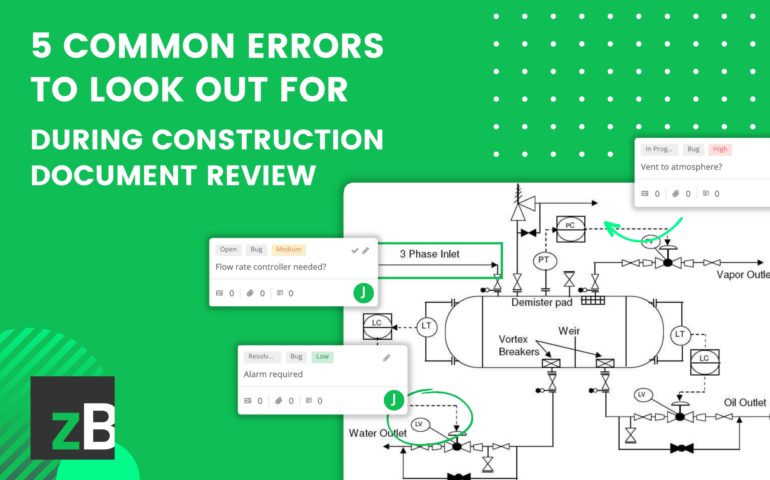
How to Reduce Construction Document Errors: Best Practices & Tools for Success
Construction document errors can lead to project delays, costly rework, budget overruns, and safety risks. Due to the complex nature of construction projects, even small mistakes in construction documents like design plans, specifications, or submittals can create a domino effect that disrupts workflows, causes miscommunication, and leads to significant financial and operational setbacks. These errors